CONTINUOUS CONDIMENT CLARIFICATION
Continuous Membrane Clarification for Soy Sauce, Vinegar & Fermented Condiments
For soy sauce, vinegar, cooking wine, and fermented condiment streams, define a continuous membrane clarification and scale-up route from feed and pretreatment, solids and colloids, viscosity and temperature, product-quality objectives, and cleaning boundaries.
This page supports preliminary route screening. Real-feed testing and the project technical agreement must confirm clarification, flavor and color, microbial-load control, product quality, and the continuous operating window.
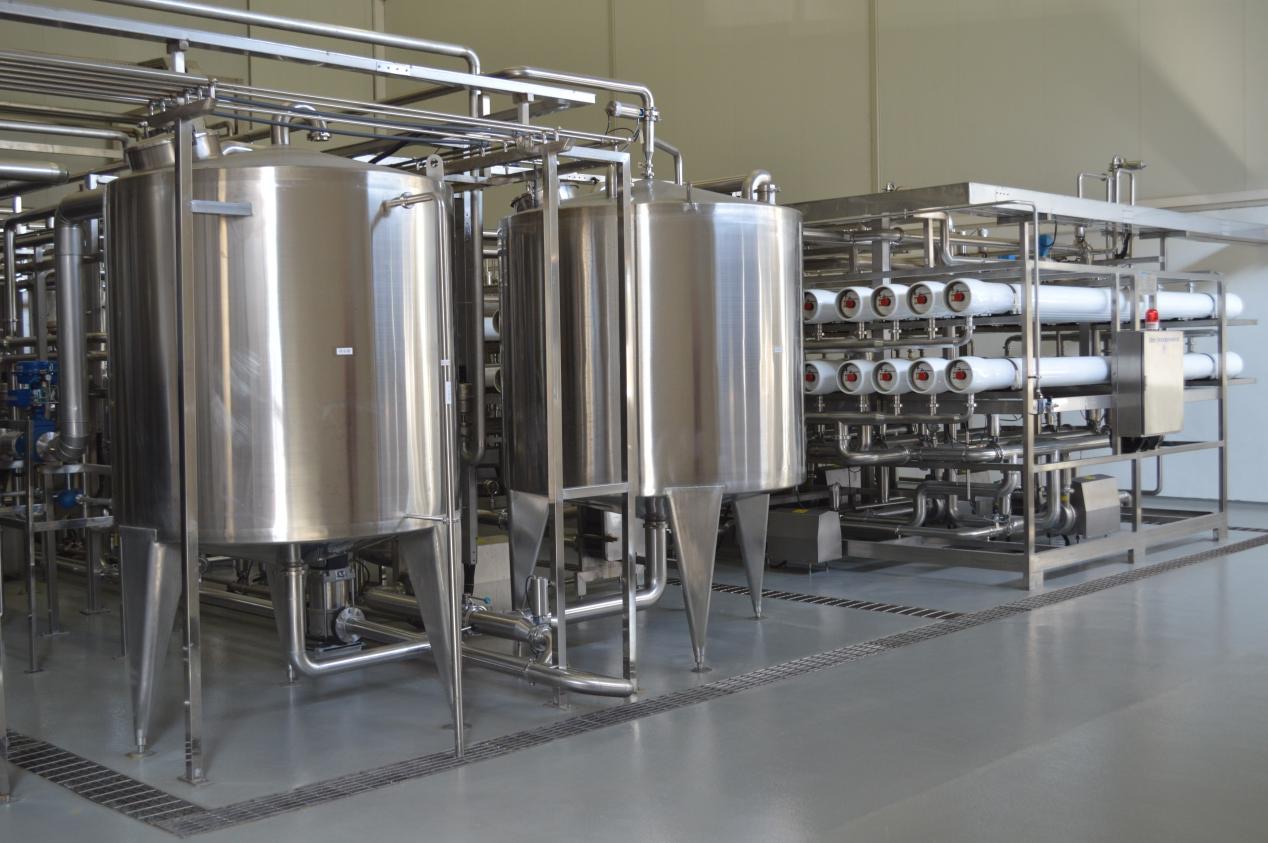
Soy sauce, vinegar, cooking wine, and blended fermented condiment streams cannot share one membrane selection based on name alone.
Clarified appearance, flavor and color, microbial-load control, and downstream-processing requirements require separate confirmation.
Sample testing and continuous pilot validation establish composition, destination, cleaning, and scale-up inputs for both streams.
DEFINE THE PROCESS LIQUID
Distinguish feed, fermentation stage, and product destination first
Within one plant, raw soy sauce, pre-finished condiment liquid, vinegar, cooking wine, and blended fermented streams may still have different solids, viscosity, color, flavor, and cleaning conditions.
Confirm proteins, colloids, salts & color system
Define pretreatment status after fermentation or pressing, solids and viscosity, and the conditions for transferring clarified liquid to blending, maturation, or another downstream operation.
Assess acidity, temperature & material compatibility together
In addition to particles and colloids, confirm organic acids, color, volatile flavor components, corrosion boundaries, and permitted cleaning conditions.
Application boundary:Fruit juice, fruit wine, and other fruit or vegetable beverages remain under the juice tubular membrane clarification page. This page covers only soy sauce, vinegar, cooking wine, and fermented condiment production streams.
PRODUCT QUALITY BOUNDARY
Clarification is not one turbidity target but three product boundaries
The owner’s product specification, analytical methods, and real-sample validation must define each objective. Historical project performance cannot become a guarantee for a new product.
Particles, colloids, sedimentation tendency & clarified appearance
Define the suspended and macromolecular impurities to control and the acceptance method before clarified liquid enters blending or downstream processing.
What must be retained must also be measurable
The product owner defines objectives for flavor, organic acids, amino-acid nitrogen, color, and other attributes. Membrane screening compares their actual distribution between clarified and retentate streams.
Microbial-load control is not commercial sterility
The membrane section can assess reduction of microbial and particle loads, but commercial sterility, sterilization, shelf life, and regulatory compliance require independent validation.
APPLICATION SCREENING
Six information groups determine whether continuous membrane clarification is suitable
These are engineering assessment dimensions, not universal feed conditions. Insufficient information cannot support a commitment on membrane material, flux, clarification result, or product quality.
Feed & pretreatment
Raw material, fermentation or pressing stage, pre-settling, centrifugation, screening, storage, and batch variation.
Solids & colloids
Condition and particle-size distribution of suspended particles, proteins, colloids, sediment, and other macromolecular impurities.
Viscosity & temperature
pH, salt content, acidity, temperature, viscosity, rheology, and variation during continuous operation.
Product-quality objectives
Clarified appearance, sedimentation tendency, flavor, color, downstream blending or processing requirements, and analytical methods.
Microbial-load control
Microbial-load objectives, upstream sterilization conditions, sampling method, and shelf-life responsibility boundary.
CIP & product contact
Permitted cleaning agents, cleaning temperature, product changeover, contact materials, cleaning-return water, and site hygienic-design requirements.
CRAWLABLE CLARIFICATION ROUTE
Organize the membrane route around stable feed and continuous clarification
This is a route framework. Pre-settling, centrifugation, screening, tubular membranes, and other UF modules are selected from feed and site conditions and do not automatically replace every conventional operation.
- 01Pre-settling, centrifugation, or screening
Remove large particles where required and establish a continuously transferable feed.
- 02Equalization & temperature adjustment
Stabilize batch properties, temperature, viscosity, flow, and holding time.
- 03Membrane material & module screening
Compare compatibility and separation boundaries of tubular membranes or other UF modules.
- 04Continuous membrane clarification
Separate compatible particles, colloids, microbial cells, and macromolecular impurities.
- 05Streams & downstream interfaces
Define destinations for clarified liquid, retentate, displacement liquid, and CIP side streams separately.
STREAM DEFINITION
Clarified liquid is not automatically a qualified product, and retentate is not automatically waste
Both main streams and the cleaning side streams require compositional analysis, mass balance, and endpoint confirmation.Confirm appearance, flavor, color, composition, microbial-load control, and product specification before defining transfer conditions.
Assess enrichment of target components, solids, and impurities, then confirm recovery value and final destination separately.
The product owner confirms formulation, flavor, color, and finished-product quality responsibility.
Configure resin, polishing filtration, sterilization, concentration, or other downstream units by project.
Define recovery or handling boundaries separately for cleaning water, product displacement liquid, and start/end-of-batch side streams.
Include buffer tanks, pumps, instrumentation, controls, temperature, and cleaning changeover in system design.
SAMPLE TESTING & PILOT VALIDATION
Validate product quality and cleaning recovery before defining the continuous system
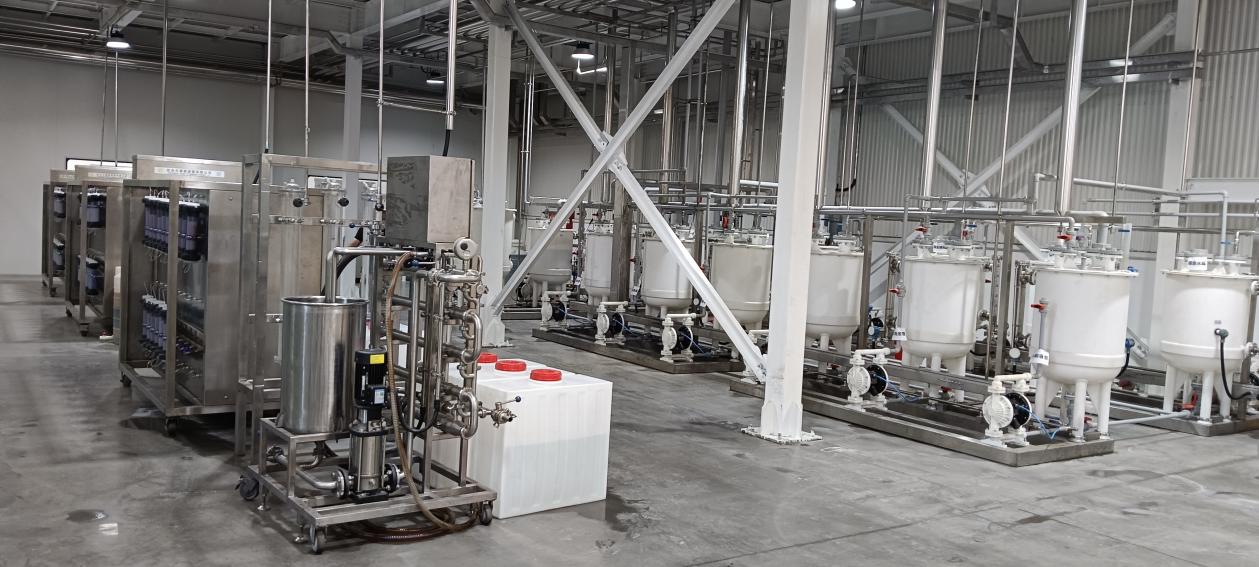
Sample testing evaluates more than clarified appearance. It also analyzes target components, retentate, microbial-control boundaries, fouling trends, and cleaning recovery.
- 01Information review
Confirm feed type, pretreatment, product objectives, batch regime, and downstream interfaces.
- 02Samples & analytical methods
Establish evaluation methods for solids, colloids, composition, flavor and color, and microbial-load control.
- 03Membrane material & separation-grade screening
Compare modules, material compatibility, and component distribution between clarified and retentate streams.
- 04Bench clarification & mass balance
Record the quantity and composition of clarified liquid, retentate, displacement liquid, and cleaning side streams.
- 05Continuous pilot validation & CIP
Observe flux trends, fouling, product changeover, cleaning recovery, and batch variation.
- 06Engineering scale-up
Develop design inputs for membrane area, circulation, buffering, CIP, instrumentation and controls, and downstream interfaces.
Records of target components, particles, colloids, and microbial-load control in clarified and retentate streams.
Temperature, viscosity, flow, differential pressure, batch variation, and membrane-system stability conditions.
Fouling trends, permitted cleaning agents, degree of recovery, and product-changeover boundary.
System capacity, buffering, CIP, controls, utilities, and upstream/downstream interfaces.
DESIGN INPUTS
Product, feed, cleaning, and operating information is required before preliminary assessment
Provide normal and variable batches, startup and shutdown, and cleaning-stage information where possible. Historical project records, test results, and guarantees for a new project must remain separate.
- Feed type & stage
- Soy sauce, vinegar, cooking wine, or blended condiment stream, with the exact position before or after fermentation, pressing, maturation, or blending
- Capacity & batch regime
- Hourly flow, batch volume, operating duration, peak-to-low variation, buffering, and storage time
- Solids & impurities
- SS, turbidity, colloids, proteins, particles, sedimentation tendency, and current filtration performance
- Physical & chemical conditions
- pH, salt content, acidity, temperature, viscosity, density, and other components affecting membrane materials
- Product-quality objectives
- Clarified appearance, flavor, color, target components, microbial-load control, and corresponding analytical methods
- Current process & downstream
- Settling, centrifugation, filter press, diatomaceous earth, existing membranes, blending, sterilization, polishing filtration, or other processing units
- CIP & hygienic boundary
- Cleaning agents, temperature, duration, product changeover, cleaning-return water, and product-contact requirements
- Validation & attachments
- Available sample volume, storage and transport conditions, product specifications, SDS, process diagrams, and existing test records
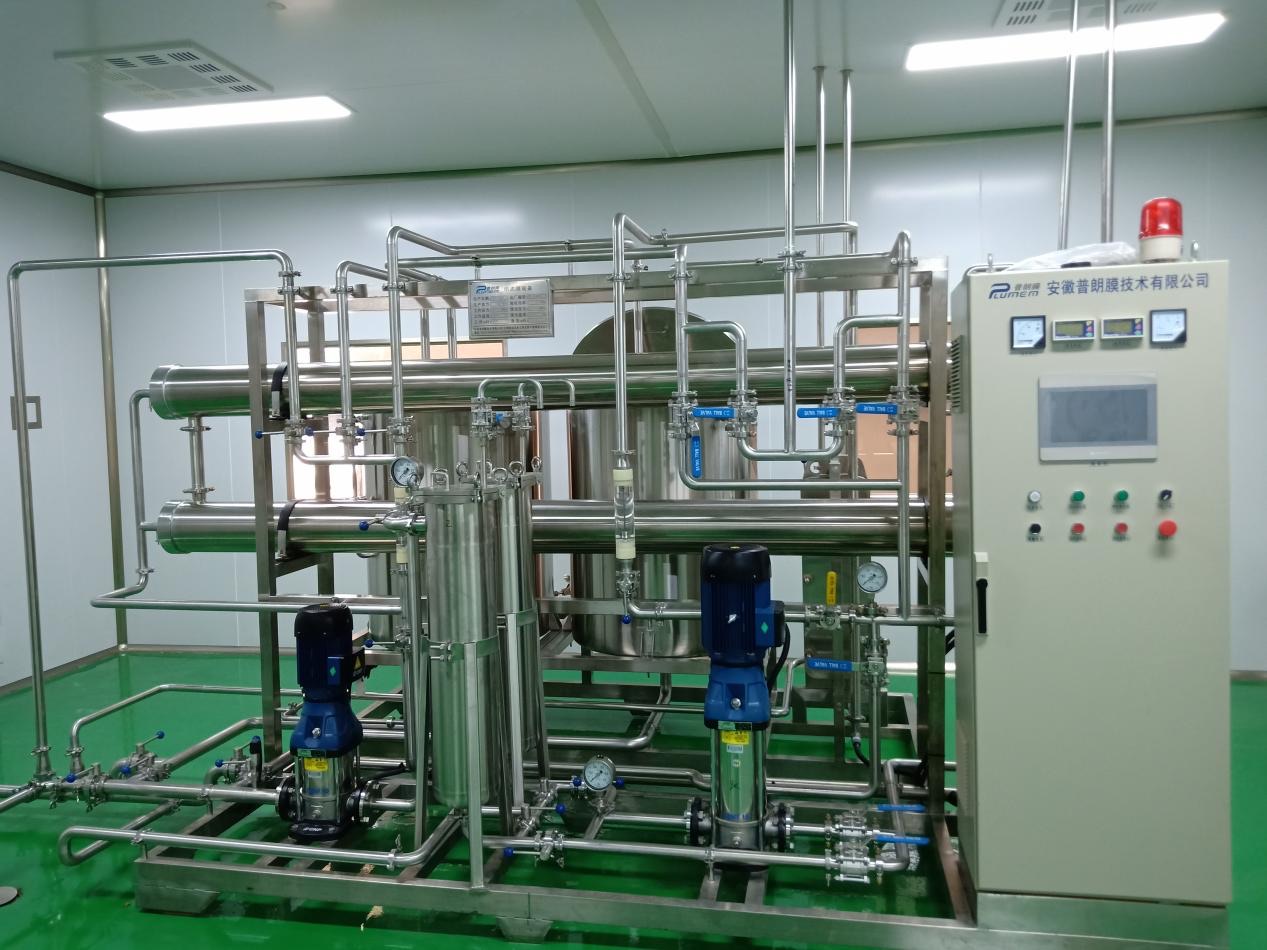
Parameter boundary:This page publishes no universal flux, retention, transmittance, microbial-count, flavor-retention, energy-use, membrane-life, product-yield, or quality guarantee. Formal values require sample testing, pilot validation, and the technical agreement.
PROJECT EVIDENCE
Confirmed continuous-UF engineering record for soy sauce & vinegar
Only the anonymous capacity, feed type, and continuous UF section are public. Customer, year, product results, operating cost, and other performance data are not published.
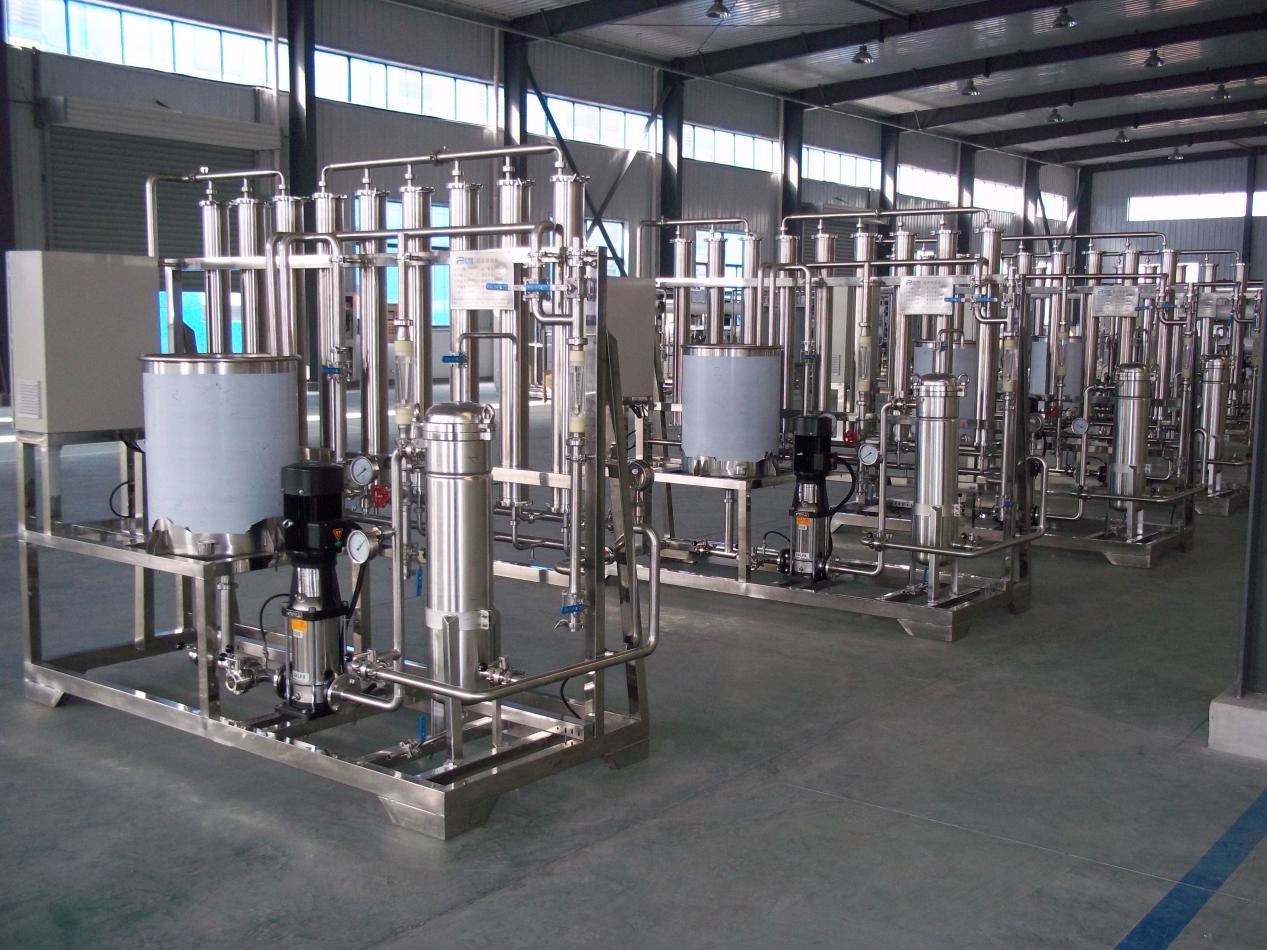
Anonymous industrial project · Soy sauce & vinegar
≥120 m³/h Recorded total capacity of the continuous UF clarification systemScale up from product streams and continuous operating conditions
The public fact documents only the implemented capacity of the continuous condiment UF system. Membrane selection, clarified-stream quality, retentate destination, microbial-load control, and operating window require new validation for every project.
ENGINEERING & QUALITY BOUNDARY
Confirm membrane-clarification, product, hygiene, and interface responsibilities separately
Plum supports feed analysis, validation, design, integrated supply, and commissioning for the membrane section. Product formulation, finished-product quality, sterilization, shelf life, and regulatory responsibility are confirmed by project.
PLUM CAN SUPPORT
- Preliminary analysis of feed, impurity profile, product objectives, and current process
- Screening of membrane material, module configuration, and separation grade
- Sample testing, continuous pilot validation, and stream mass balance
- Integrated membrane section, circulation, buffering, CIP, instrumentation, and control system
- Membrane-system commissioning, training, and upstream/downstream engineering-interface support
CONFIRM BY PROJECT
- Fermentation formula, raw materials, upstream production, and product-blending responsibility
- Sterilization, commercial sterility, shelf life, and microbial-regulatory validation
- Product flavor, color, composition, food contact, and finished-product specification
- Retentate-reuse value, cleaning side streams, and final handling
- Building, hygienic design, utilities, and complete-line performance responsibility
RELATED ROUTES
Review related process-fluid routes
Business overviewProcess Fluid Membrane Separation
Related upstream routeFermentation Broth & Hydrolysate Tubular Membrane Clarification
Fruit & vegetable beverage routeJuice Tubular Membrane Clarification
ENGINEERING FAQ
Frequently asked questions about continuous condiment clarification
Can soy sauce, vinegar, and cooking wine use the same membrane type?
No. Their salt content, acidity, alcohol or volatile components, colloids, viscosity, product objectives, and cleaning conditions differ and require separate analysis and testing.
Can continuous membrane clarification directly replace a filter press, diatomaceous-earth filtration, or centrifuge?
Not as a universal conclusion. Large-particle loading, continuous feed, product loss, cleaning, and operating boundaries determine whether an existing unit is retained, adjusted, or replaced.
Can the membrane system guarantee unchanged flavor and color?
No guarantee can be made on a general page. The product owner must provide analytical methods and allowable boundaries, and sample testing must compare actual compositional changes in clarified and retentate streams.
Is membrane clarification equivalent to microbial removal or sterile filtration?
No. The membrane section can assess microbial-load control, but commercial sterility, sterilization, shelf life, and regulatory compliance require independent validation.
Can membrane retentate return directly to blending?
Not necessarily. Target components, solids, impurities, microbial status, and product specifications must be confirmed before choosing recovery, blending, further treatment, or handling.
Why are sample testing and continuous pilot validation required?
Viscosity, colloids, flavor and color, batch variation, and cleaning recovery cannot be judged reliably from a conventional analysis sheet alone. Continuous pilot validation supplies operating and scale-up evidence.
Can historical project capacity determine equipment selection for a new project?
No. Historical capacity documents implementation experience only. A new project must be redesigned for flow, batches, product objectives, membrane testing, cleaning, and redundancy strategy.
What information is required for a preliminary assessment?
Provide feed type and process position, flow or batch volume, solids, colloids, pH, salt content or acidity, temperature, viscosity, product objectives and analytical methods, current process, CIP conditions, product-contact requirements, and available sample volume.
REQUEST CONDIMENT VALIDATION
Submit condiment-stream and product objectivesRequest sample testing & pilot validation
Provide feed type, process position, product objectives, physical properties and impurities, current process, CIP conditions, downstream destinations, and available sample volume where possible. Plum will review the information before defining membrane screening, testing scope, and whether pilot validation is required.
Submitted information is used only for preliminary project assessment. It does not constitute a commitment on test scheduling, product quality, flavor or color, microbial-load control, sterility, operating performance, regulatory compliance, or scope of supply.