ENGINEERING SELECTION ENTRY · TUBULAR MEMBRANE SYSTEMS
Tubular Membrane Modules,
Process Solutions & Pilot Validation
From duty screening across mature conventional PVDF and proprietary PEK tubular membranes to process-route design, sample testing, and pilot validation, Plum develops practical membrane-separation routes for complex industrial fluids.
For plant engineers, design institutes, EPC contractors, system integrators, and R&D teams
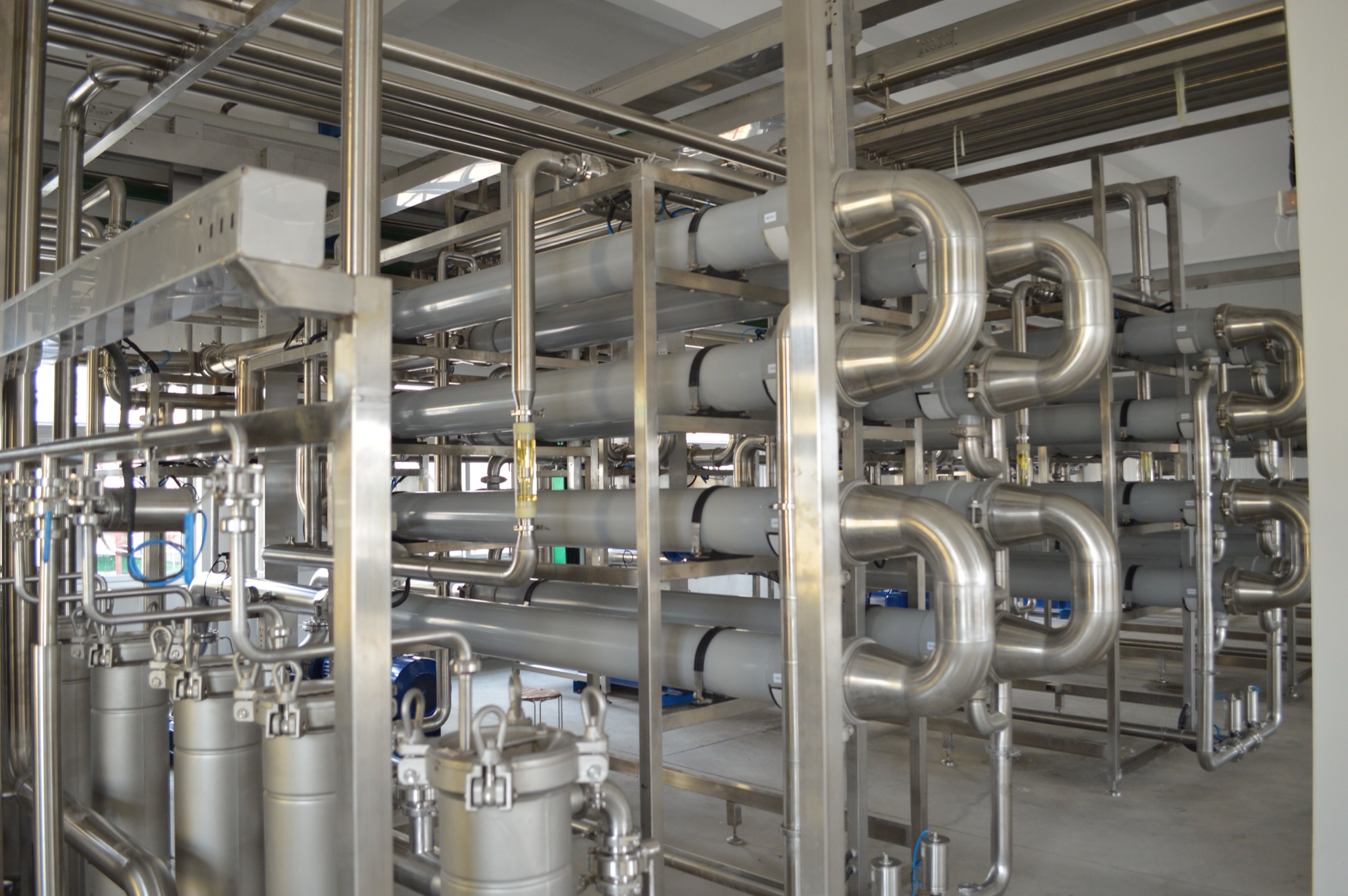
ONE ENGINEERING ENTRY
Three capabilities, one engineering entry
Screen material compatibility and operating conditions first, then organize the process route. When the boundaries remain uncertain, validate the engineering assumptions with real feed samples.
Tubular membrane modules
Select by feed chemistry, pore size or MWCO, channel, temperature, and cleaning conditions.
Tubular membrane process solutions
Configure membrane sections, circulation equipment, instrumentation, and controls around a defined engineering problem.
Sample testing & pilot validation
Use sample and pilot data to confirm process fit and reduce scale-up risk.
TUBULAR MEMBRANE MODULES
Start tubular membrane selection with material and duty
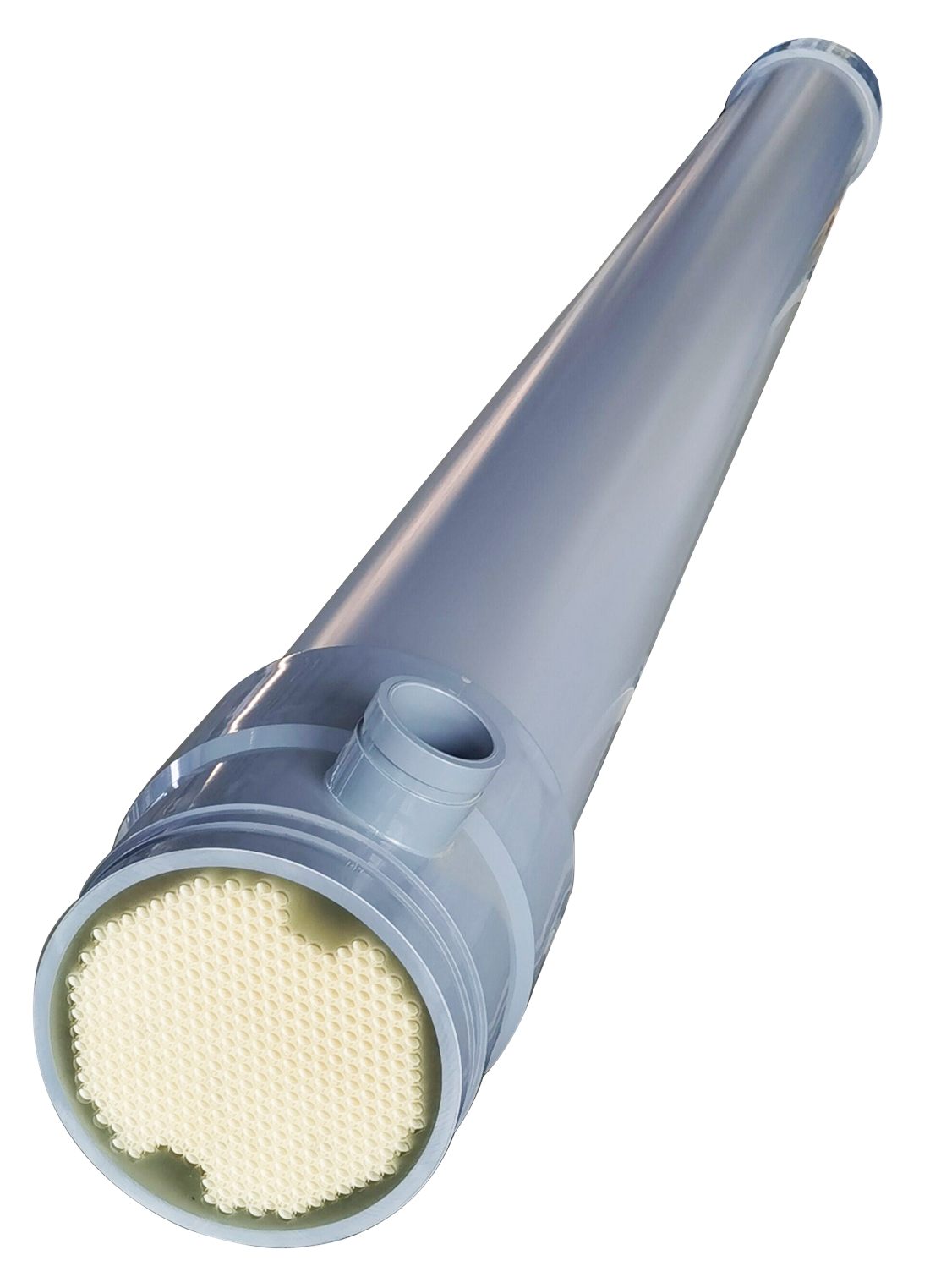
Plum currently offers mature conventional PVDF and proprietary PEK tubular membranes for engineering selection. They are duty-specific alternatives rather than direct substitutes. PEK-S remains in R&D validation. This overview first helps identify the material route, then directs users to the relevant product information.
CURRENT MATURE PORTFOLIO · PVDF + PEK
Conventional PVDF and proprietary PEK, selected by duty
Plum supplies both widely used PVDF tubular membranes and its proprietary PEK tubular membranes. PVDF can be assessed for conventional duties; PEK becomes the primary candidate where fouling, acid or caustic cleaning, or other process boundaries are more demanding.
For conventional tubular membrane duties where compatibility, temperature, and cleaning windows are suitable.
For high suspended solids, oily or highly fouling feeds, corrosive fluids, and intensive cleaning requirements.
PEK-S · R&D PREVIEW
IN R&D VALIDATION · NOT YET COMMERCIALLY LAUNCHED
A next-generation tubular membrane completing R&D validation
PEK-S is being developed for duties where conventional PVDF tubular membranes may face limitations under high temperatures, strong acids or alkalis, and intensive backwashing. This overview states only the product direction; test-stage observations and their interpretation boundaries are presented on the R&D preview page.
- High-temperature duty development
- Strong acid and alkali compatibility development
- Intensive backwash development
SELECTION PATH
Select the membrane material by duty, then enter the relevant product page
This overview does not duplicate model and parameter tables from product pages. Cross-series screening starts with feed risk, first between mature PVDF and PEK, then proceeds to separation grade, channel, module dimensions, and housing.
- 01Feed and contaminantsSolids, oil, viscosity, corrosivity, and variability
- 02Separation objectiveClarification, retention, concentration, or downstream protection
- 03Membrane materialScreen by compatibility, temperature, and cleaning conditions
- 04Separation gradeMatch pore size or MWCO to the target components
- 05Channel and module configurationConsider hydraulics, layout, housing, and interfaces
The mature products currently available for commercial selection are PVDF and PEK. PES, PEK composite support, and PK are assessed only when required by a project. PEK-S has not been commercially launched and is open only for R&D progress review and technical-exchange registration.
PROCESS SOLUTIONS
Organize process routes around the engineering problem
Each entry presents only the feed challenge, core route, and typical applications. Equipment scope, operating parameters, and performance commitments are defined after project-data review.
FEATURED PROCESS SOLUTION
External Tubular MBR Process Package
For high organic loads and concentrated biological sludge, this route combines the biological reaction section with an external tubular membrane loop for stable solids separation.
- Feed challenge
- High load, high MLSS, and unstable conventional solids separation
- Core route
- Biological reaction + external tubular membrane cross-flow loop + sludge return
- Typical applications
- Leachate and high-load wastewater from chemical, food, and related industries


01 · SUSPENDED SOLIDS REMOVAL
Suspended Solids Removal Process Package
- Feed challenge
- High suspended solids, turbidity variation, and downstream membrane fouling
- Core route
- Pretreatment + tubular membrane cross-flow clarification + downstream protection
- Typical applications
- Industrial wastewater, machining wastewater, and process-fluid clarification
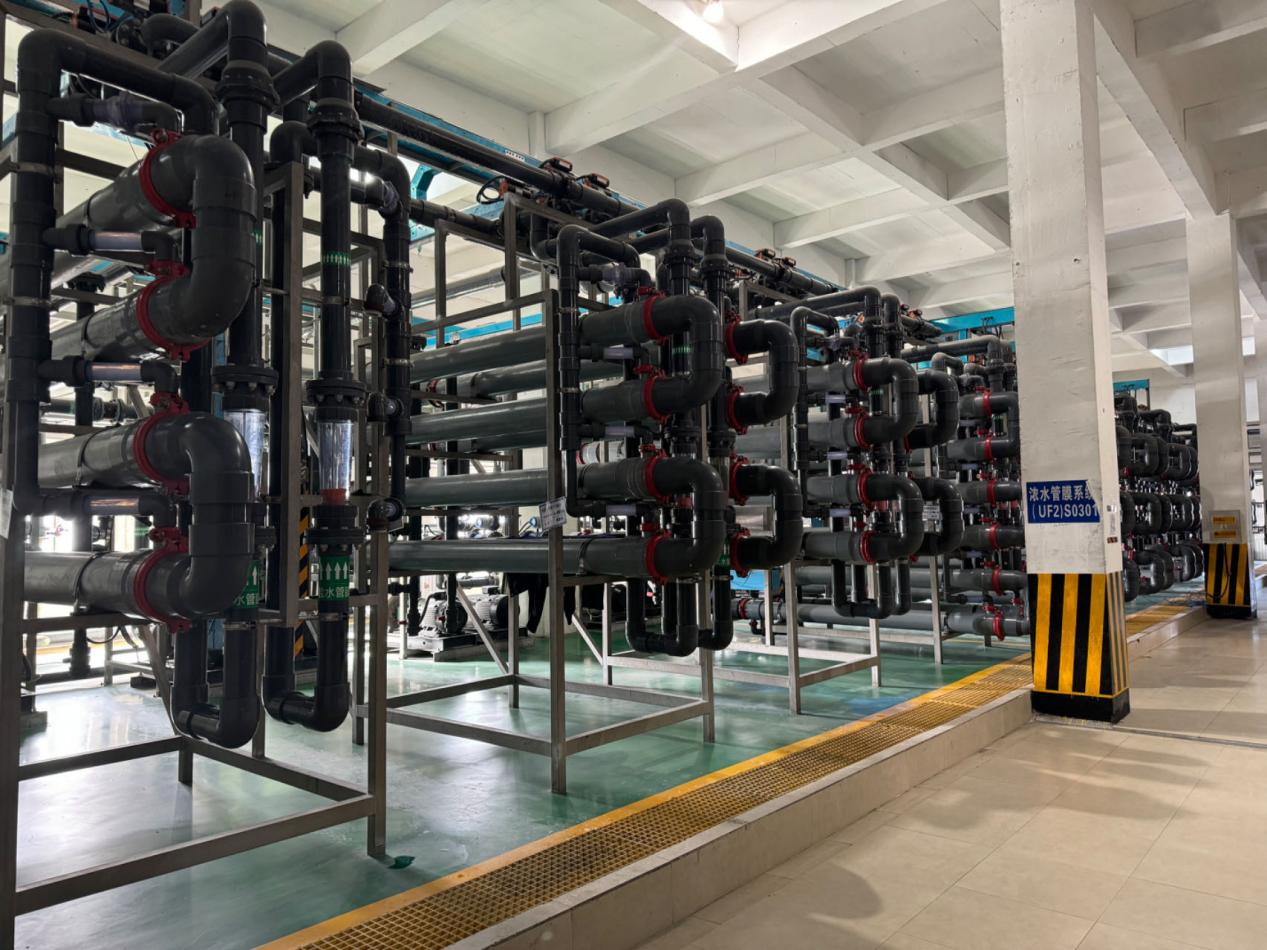
02 · SOFTENING PRETREATMENT
PEK Softening Process Package
- Feed challenge
- Scaling risks related to hardness, silica, and fluoride affect downstream stability
- Core route
- Chemical conditioning + PEK tubular membrane solids separation + downstream membrane section
- Typical applications
- RO brine, mine water, cooling blowdown, and ZLD pretreatment
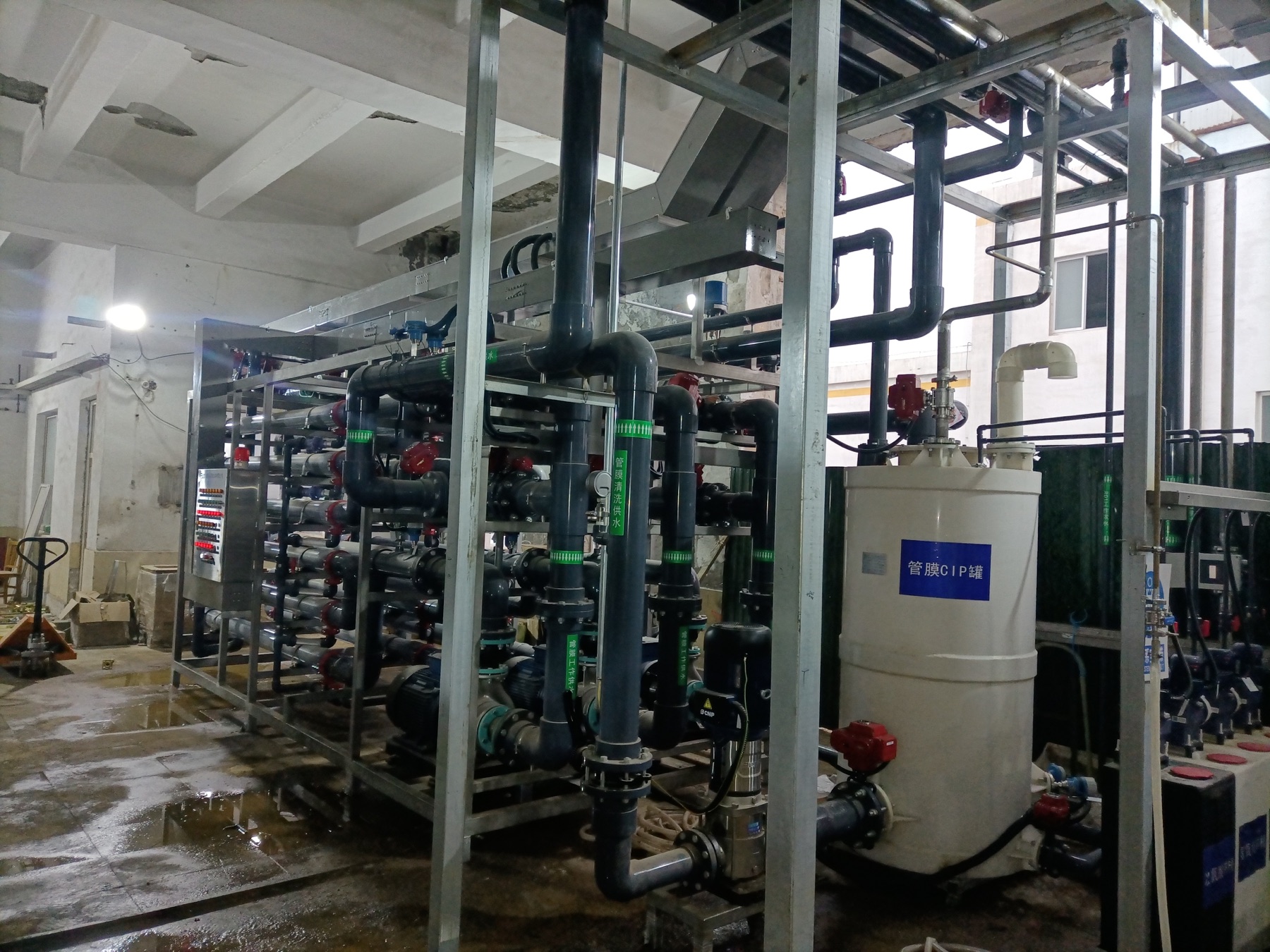
03 · HEAVY METALS CONTROL
Heavy Metals Removal Process Package
- Feed challenge
- Unstable solids separation after reaction and precipitation affects reuse or downstream treatment
- Core route
- Chemical reaction and precipitation + tubular membrane solids separation + polishing where required
- Typical applications
- Mining, electroplating, metallurgy, PCB, and new-energy wastewater
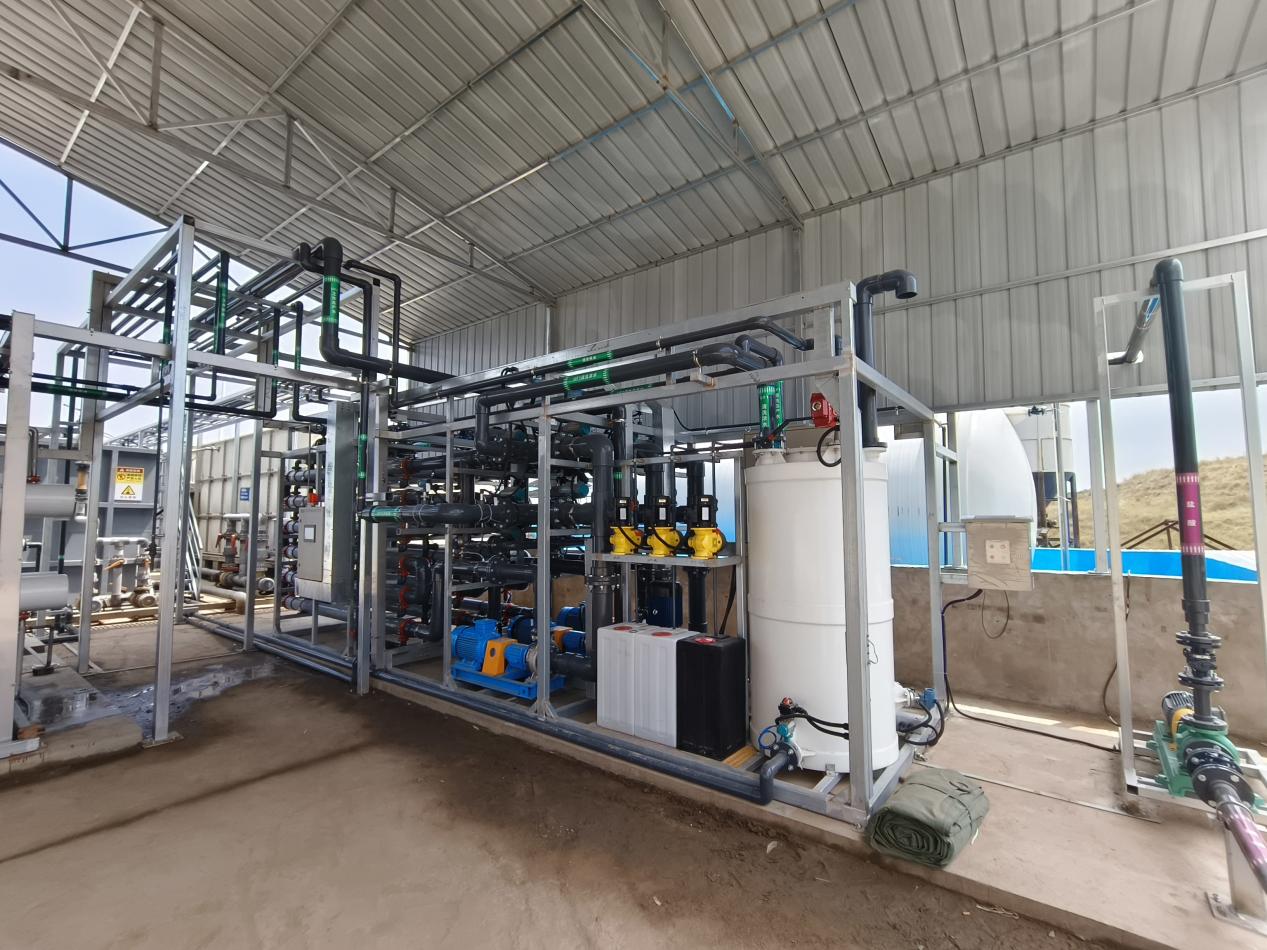
04 · OIL-WATER SEPARATION
Oil Removal Process Package
- Feed challenge
- Emulsified oil, suspended solids, and variable feed affect downstream biological or membrane sections
- Core route
- Equalization + tubular membrane oil removal + downstream treatment selected by objective
- Typical applications
- Produced water, refinery wastewater, and machining fluids
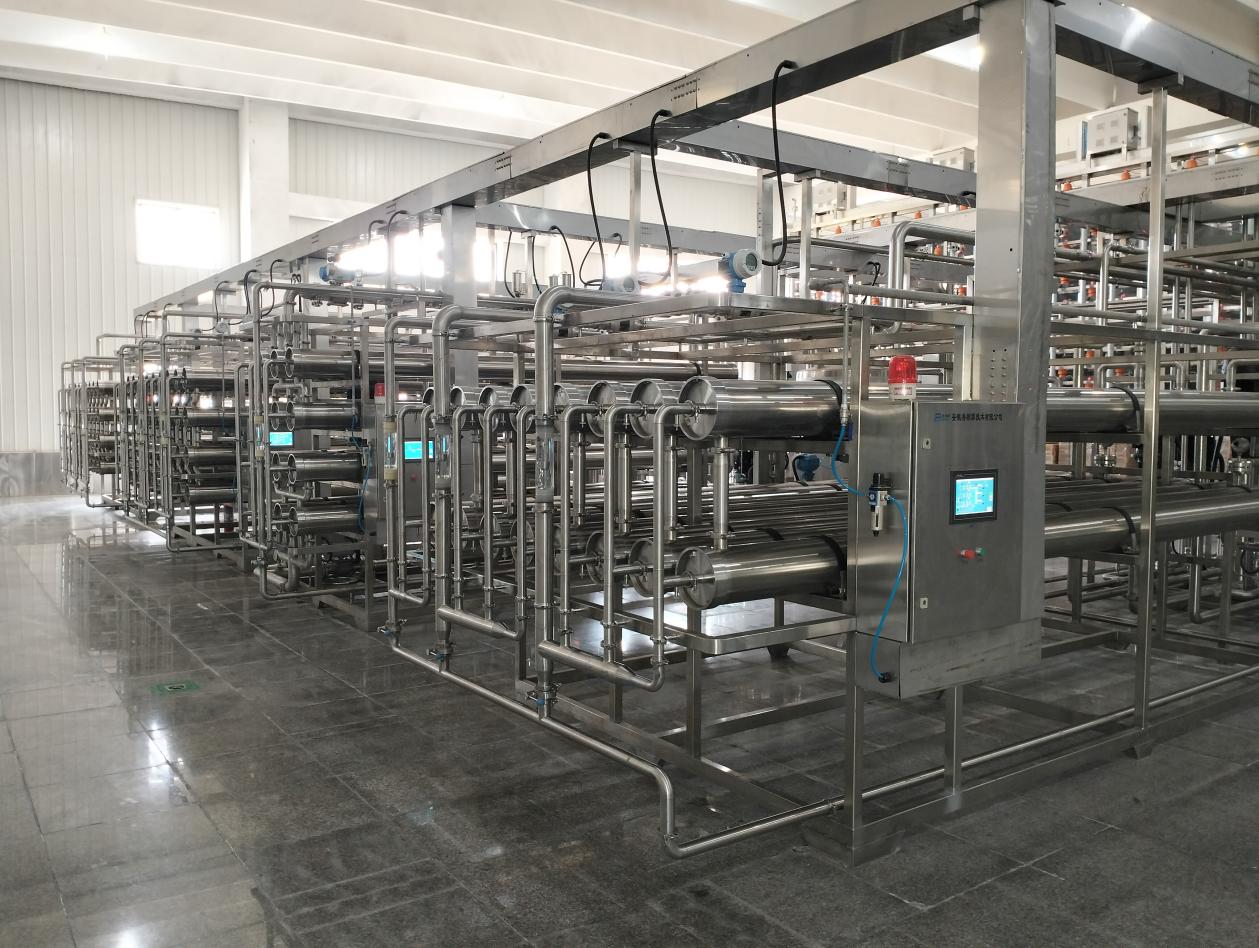
05 · FOOD-PROCESS FLUID CLARIFICATION
Fruit Juice Clarification Process Package
- Feed challenge
- Pulp, suspended solids, and batch variability affect clarification and downstream sections
- Core route
- Feed preparation + tubular membrane cross-flow clarification + downstream clear-juice processing
- Typical applications
- Clarification and downstream protection for juice and food-process fluids
LAB & PILOT VALIDATION
Validate first, then scale up
When feed variability, fouling behavior, cleaning windows, or product targets cannot be determined from documents alone, use real water or process-fluid samples to validate the process boundaries.
- 01Data pre-review
Review the existing process, feed, and objectives to define an initial test proposal.
- 02Water / process-fluid sample testing
Screen membrane candidates and observe clarification, fouling, and cleaning response.
- 03Pilot validation
Run continuously to confirm stability, cycle length, and critical boundaries.
- 04Engineering scale-up and recommendations
Develop design inputs, equipment boundaries, and recommendations for the next engineering stage.
VALIDATION OUTPUTS
- Membrane-fit assessment
- Operating window
- Cleaning strategy
- Process boundaries
- Engineering design inputs
ENGINEERING CAPABILITY
An engineering capability chain from membrane modules to site operation
This overview places products, processes, and validation in one engineering chain instead of comparing membrane-module parameters in isolation.
- 01Membrane R&D and manufacturing
Establish the selection basis from material and module boundaries.
- 02Process design
Integrate membrane sections with upstream and downstream treatment, circulation, and controls.
- 03System integration
Configure equipment and interfaces within the confirmed project scope.
- 04Commissioning and service
Complete delivery against site operating and long-term maintenance conditions.
PROJECT EVIDENCE
Demonstrate engineering capability with real project directions
References use only approved site images and public facts. Unapproved customer names, treatment results, and project details are not shown.
MBR
External tubular MBR
PEK softening
RO brine and reclaimed-water pretreatment
Oil removal
Oily wastewater treatment
RESOURCES
RESOURCES & PROJECT PREPARATION
Tubular membrane brochurePublic resource
Request a datasheetRequest form
Project evaluation worksheetProject preparation
Sample testing and pilot-validation guideProcess and equipment
FAQ
Frequently asked questions
Which high-load fluids may be suitable for tubular membranes?
Tubular membranes are commonly screened first for industrial wastewater and process fluids with high suspended solids, oil, severe fouling, elevated viscosity, or intensive cleaning needs. Final suitability still depends on feed composition, temperature, pH, cleaning conditions, and downstream objectives.
Is PEK-S currently available for selection or procurement?
No. PEK-S remains in R&D validation and has not been commercially launched. Values on its detail page are test-stage observations with stated conditions, not commercial product parameters or project guarantees. The page accepts technical-exchange registration only; current project selection is based on mature PVDF and PEK products.
What is typically included in a process-package scope?
Depending on the project, the scope may include membrane modules, the membrane circulation section, pump sets, instrumentation, controls, and required interface design, with connections to upstream and downstream systems. The final scope follows the approved technical and commercial documents.
Which projects should start with sample or pilot testing?
Bench testing is generally recommended when feed composition varies significantly, fouling or cleaning behavior is uncertain, product quality is sensitive, comparable engineering data is unavailable, or scale-up risk is high. Proceed to pilot validation when continuous-run data and engineering design inputs are required.
What information is required for a preliminary assessment?
Provide the industry, flow, feed-water or process-fluid type, existing process, temperature, pH, suspended solids, oil, COD, relevant ions or product-quality parameters, target use, and available water-analysis reports, process diagrams, and sample information.
PROJECT EVALUATION
Submit the duty for an initial route assessment
Provide actual feed-water or process-fluid information whenever possible. Uploading water-quality reports, process diagrams, and product requirements helps the engineering team assess membrane type, process route, and validation needs.
Submitted information is used only for preliminary project assessment. The final solution, parameters, and scope of supply are defined by the approved technical documents.