
PRIMARY BUSINESS
Four business areas, each with a distinct engineering entry
Start with the project need, then move into module selection, process routes, and supporting references.
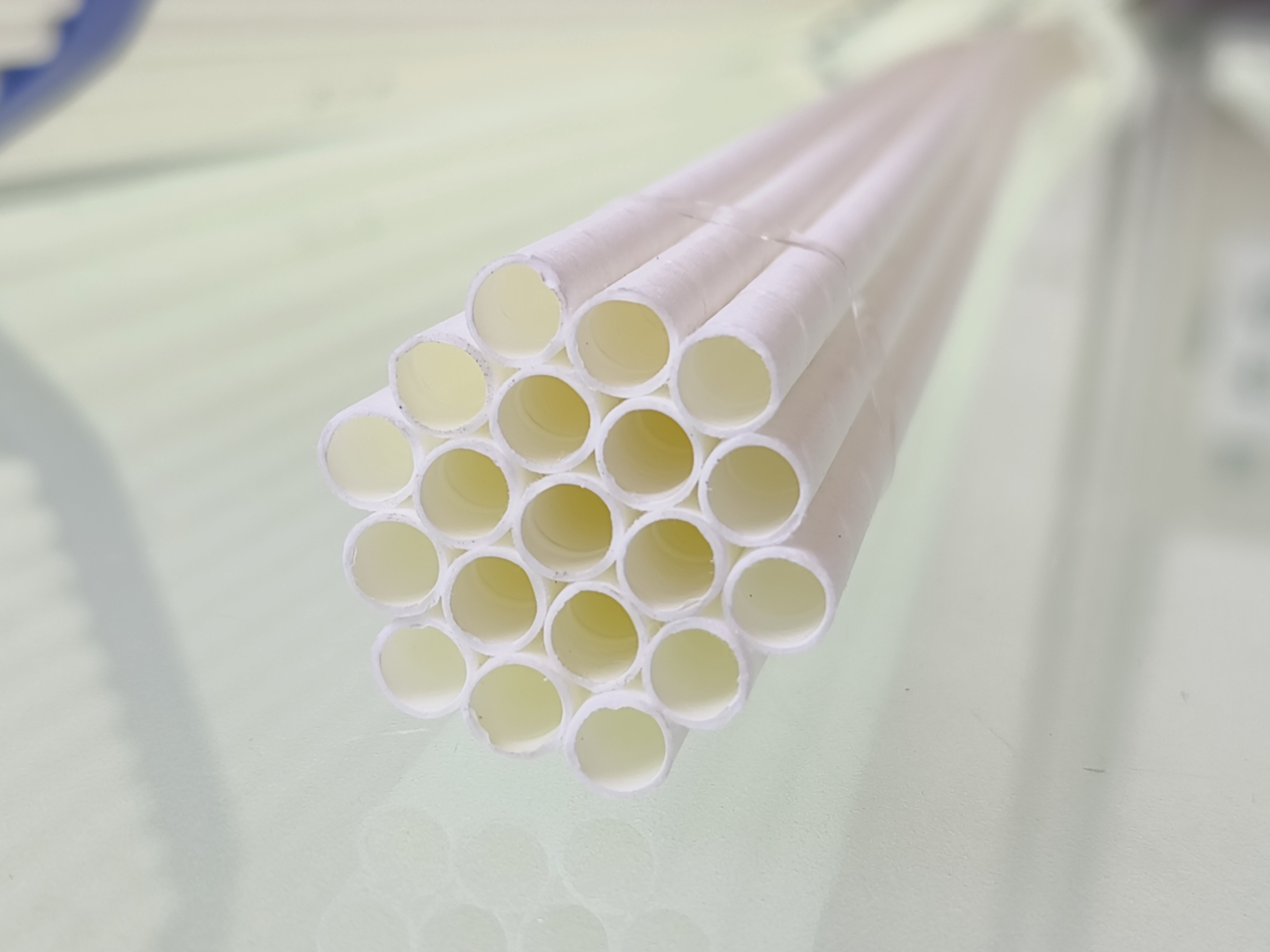
Tubular Membrane Modules
Screen membrane material, pore size, channel, temperature, and cleaning conditions for the duty.
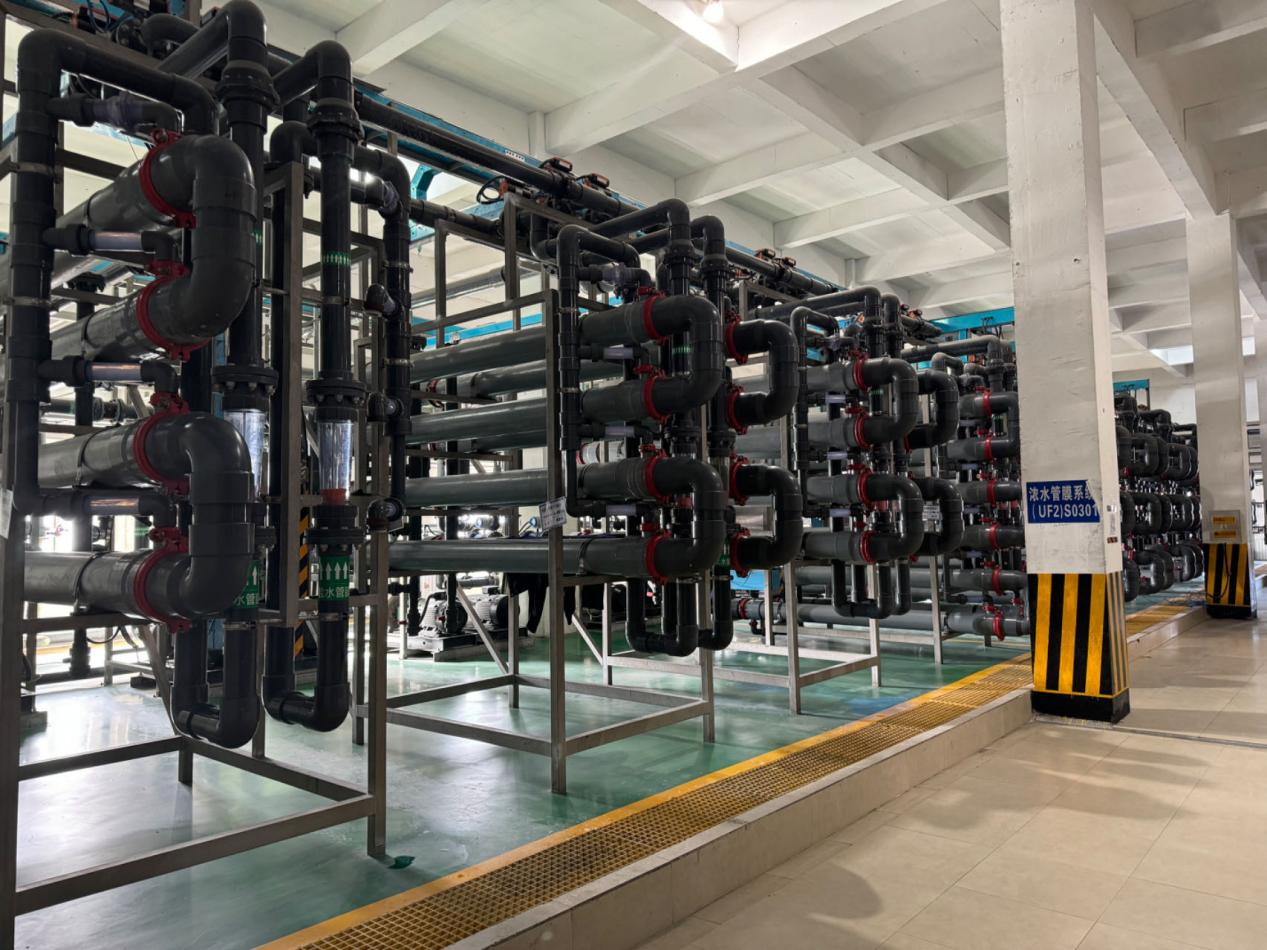
Tubular Membrane Process Solutions
Combine membrane sections, circulation, CIP, instrumentation, and controls around a defined engineering problem.
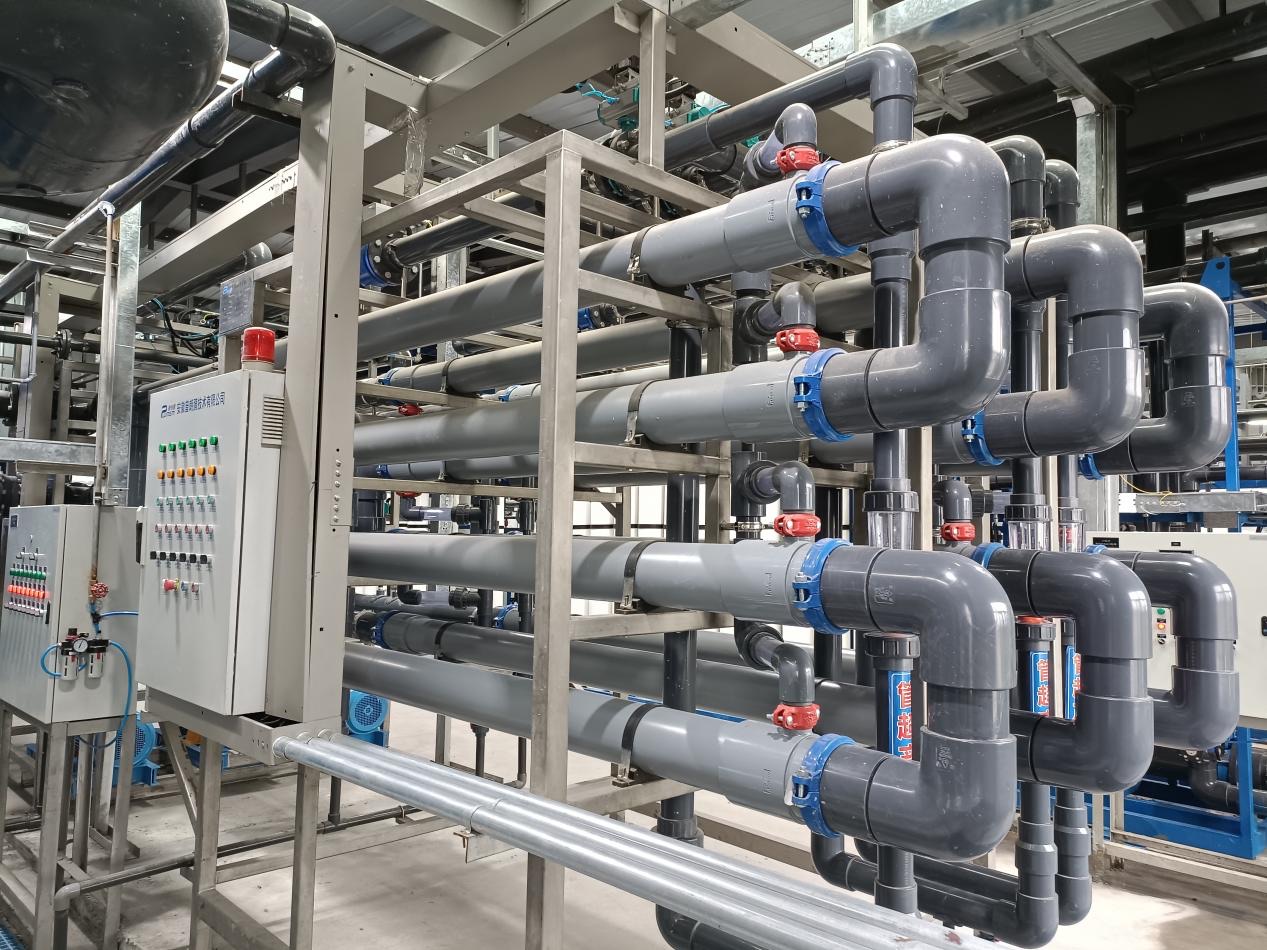
Industrial Wastewater & ZLD
Connect pretreatment, salt fractionation, concentration, and resource recovery in a verifiable project route.
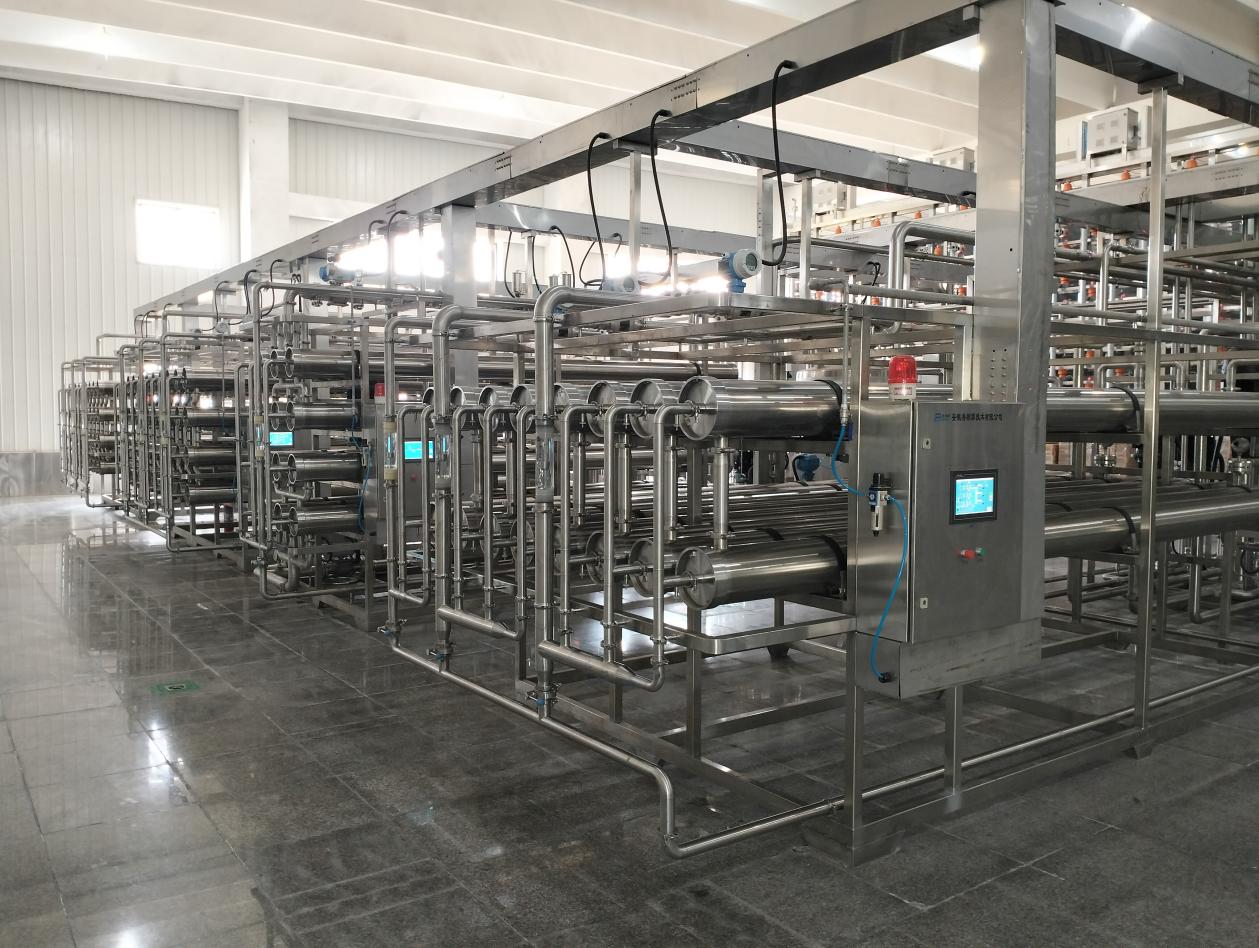
Process Fluid Separation
Clarification, purification, decolorization, concentration, and recovery of valuable components from production fluids.
ABOUT PLUM
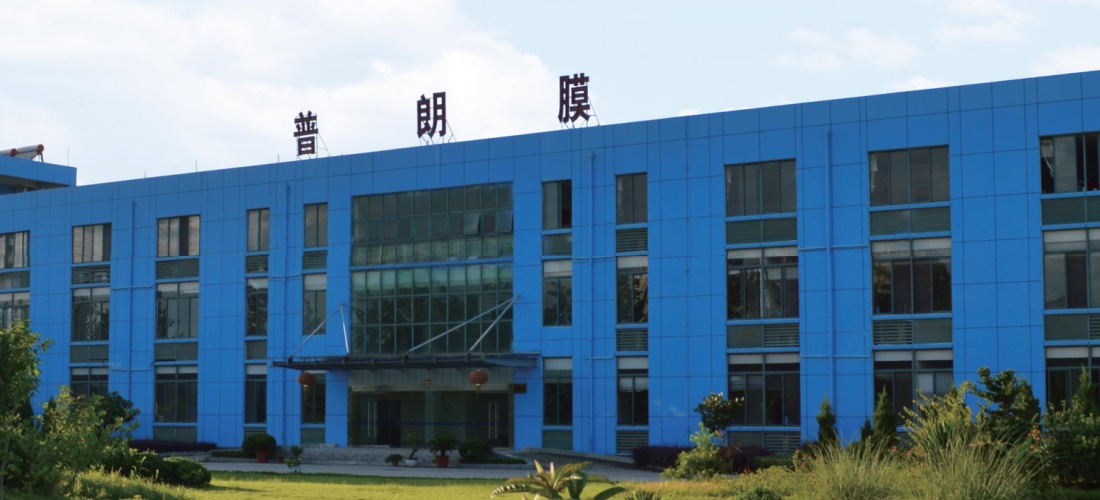
More than two decades in membrane separation and engineering applications
Established in 2004, Plum combines membrane R&D and manufacturing, process design, system integration, commissioning, and engineering service for industrial wastewater and process-fluid projects.
2004
Established
500+
Project references
100+
Patents
20+
Years of membrane experience
CORE TECHNOLOGIES
Core technologies across pretreatment, salt fractionation, and concentration
These technology sections are selected according to feed chemistry and project objectives; the homepage does not present them as a universal flowsheet or performance guarantee.
01
PEK Tubular Membrane Pretreatment
Establish a robust solids-separation boundary for high-SS, oily, and high-fouling streams ahead of NF, RO, or ZLD sections.
02
Continuous Ultrafiltration & Nanofiltration Fractionation
Configure UF and NF around selective solute separation and the actual salt system; rejection boundaries depend on feed data and test results.
03
HRCC Continuous High-Recovery Concentration
Define continuous concentration and scale-up around upstream pretreatment and the downstream resource-recovery objective.
PROJECT REFERENCES
Support engineering screening with public project facts
Customer names remain anonymous. Capacities are shown as public project records, while new-project design values depend on the submitted duty.
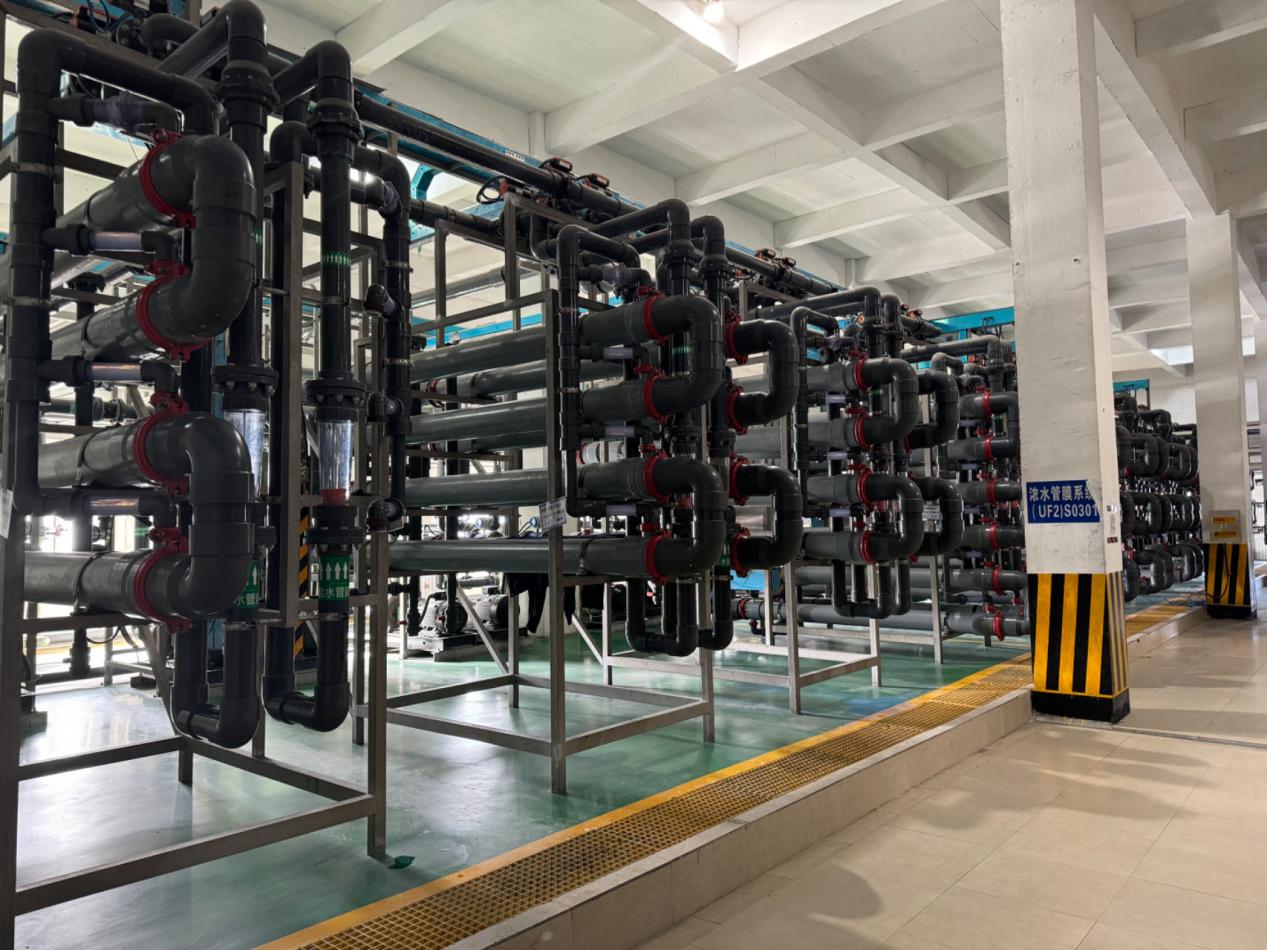
PEK Softening
Reclaimed-water and Phase-I RO-brine softening reference
235 m³/h reclaimed water · 106 m³/h Phase-I RO brine
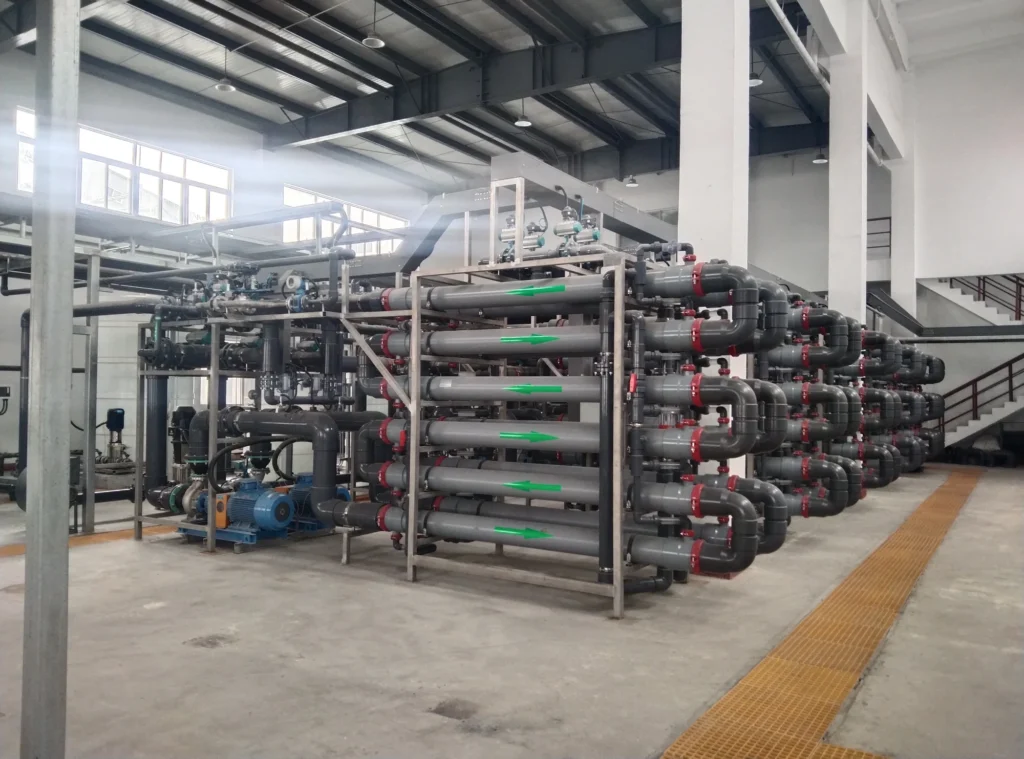
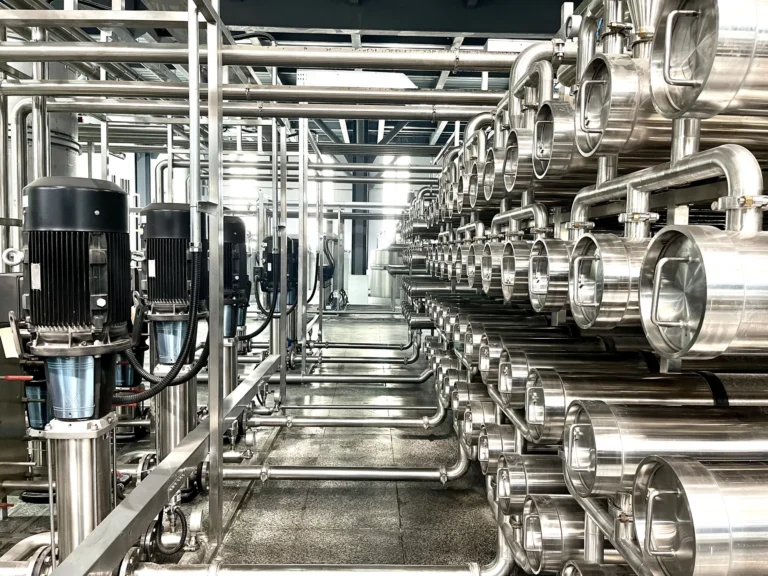
Process Fluid Separation
Lactic Acid Nanofiltration Purification
20 m³/h · reference for a 50,000 t/a production line
NEWS & EVENTS
Recent updates from Plum
Spray Robot Cleaning Waste All Classified as Hazardous? This Membrane Process Achieves Closed-Loop Reuse
When automotive spray robots run batch production or change colors, they use water-based cleaning agents to flush the spray heads, bell cups and lines. Traditionally, the resulting cleaning waste liquid has been shipped out entirely as hazardous waste, at high cost. Plum Membrane’s PEK® tubular membrane + nanofiltration separation process returns more than 80% of […]
How Does Tubular Membrane Pretreatment Reduce RO Scaling Risk?
Scaling is one of the most persistent problems in industrial reverse osmosis systems. As water recovery increases, dissolved minerals become concentrated and can precipitate on membrane surfaces. Hardness, silica, and other sparingly soluble compounds may gradually restrict water flow, increase pressure requirements, and make cleaning more difficult. For industrial facilities pursuing higher water recovery or […]
How Do Tubular Membrane Modules Protect Downstream RO Systems?
Reverse osmosis (RO) is widely used for industrial water reuse, desalination, and wastewater treatment, but even a high-performance RO system can struggle when feedwater quality is poorly controlled. Suspended solids, hardness, silica, oil, and colloidal matter can gradually compromise membrane performance, increase cleaning requirements, and limit recovery. This is why pretreatment deserves as much attention […]
RESOURCES & PROJECT PREPARATION
Prepare the information needed for technical review
Review the company and product resources, then provide feed quality, flow, and the target duty to support an efficient preliminary assessment.
NEXT STEP
Explore a route by project need, or submit the duty directly
Provide the industry, flow, feed type, target use, and available water-quality data for an initial route assessment.